Dynova
Dynova
Dynova
Explore our core selection of enterprise server nodes, high-density storage switches, and processing accelerators engineered for global datacenters.
Modern enterprises operate in a environment where milliseconds define competitive success. The hyper-convergence of Artificial Intelligence (AI), Machine Learning (ML), and high-frequency storage has created unprecedented demand for complex hardware orchestration. Underpinning this transformation are sophisticated network management tools, physical network adapters, custom switches, and integrated bare-metal servers.
Historically, network operations relied on standard monitoring protocols. Today, the integration of PCIe Gen 4.0/5.0 controllers, multi-socket Intel Xeon and AMD EPYC platforms, and high-performance server power distribution blocks requires hardware-level telemetry. As data centers migrate towards software-defined architectures (SDN), custom OEM and ODM partners play an essential role in providing specialized enclosures, custom firmware (BIOS/BMC), and proprietary LOM (Lan-On-Motherboard) designs.
Global logistics, supply chain volatility, and the speed of AI deployment (specifically running open-source LLMs like DeepSeek locally) demand localized production and custom enterprise solutions that meet strict global compliance standards.
Developing high-performance infrastructure requires balancing thermal limits, power delivery, and processing density:
High-Performance AI Computing & Network Infrastructure Engineering Partner
Dynova AI Systems Inc. is a professional manufacturer specializing in high-performance AI GPU servers, GPU workstations, and customized computing infrastructure for AI training, AI inference, HPC, cloud computing, and enterprise data centers. We build the physical systems that run complex network management software and handle demanding workloads.
Our modern manufacturing facility covers 23,800 m², integrating advanced production lines, assembly workshops, aging test laboratories, and strict quality control processes to ensure every server meets international standards. With an annual export revenue of approximately USD 28 million, Dynova has built strong partnerships with distributors, system integrators, AI solution providers, universities, research institutes, and enterprise customers across global markets.
Supported by 8 years of export experience and 9 years of industry expertise, we continuously invest in research and development to provide innovative GPU server platforms compatible with leading accelerator technologies. Our experienced engineering team enables flexible ODM and OEM services, allowing customers to customize CPU platforms, GPU configurations, memory, storage, networking, chassis, cooling systems, branding, and software integration.
Dynova maintains close cooperation with more than 1,260 supply chain partners, enabling efficient procurement, rapid production, and reliable global delivery. Last year, our R&D team successfully launched 186 new products, focusing on next-generation AI computing technologies.
Leveraging deep industrial clusters, direct component access, and highly optimized engineering pipelines to accelerate time-to-market.
Operating out of Shenzhen gives Dynova immediate access to component raw materials: from multi-layer PCB design shops to precision CNC sheet metal production and advanced semiconductor distributors. This reduces prototyping iterations from months to days.
Quality is at the core of everything we do. Our products undergo 100% functional testing, burn-in testing, thermal performance verification, compatibility validation, and reliability testing before shipment. A dedicated quality assurance team of 58 inspectors ensures every product delivers consistent performance.
With 142 experienced R&D engineers, we customize hardware layouts, optimize BIOS code, design liquid or air thermal cooling paths, and tailor enclosures to accommodate custom enterprise network interfaces seamlessly.
Deploying specialized servers and networking hardware across enterprise environments.
Running local language models (like DeepSeek 671B or Llama variants) requires fast host-to-device interconnects and robust cooling. Our customized AI servers handle complex inferences locally, ensuring low latency and data privacy.
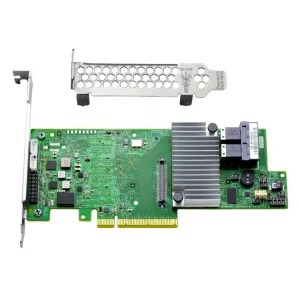
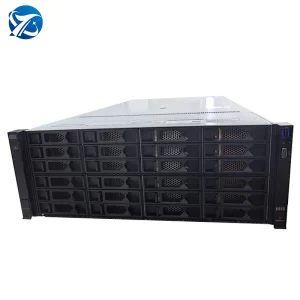
Utilizing high-port-count RAID controller cards (such as PCIe Gen 4.0 9560-16i) within custom 2U/4U network attached storage (NAS) chassis ensures high availability for media rendering and scientific computation.
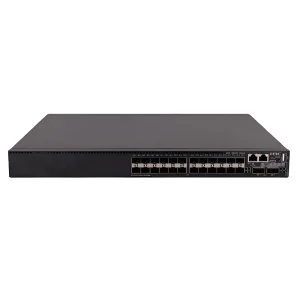
Using enterprise Layer-3 optical switches like the H3C S6520X in dense datacenter racks resolves port bottlenecks, aggregating multiple 10G/40G fiber links into a unified virtual core network.
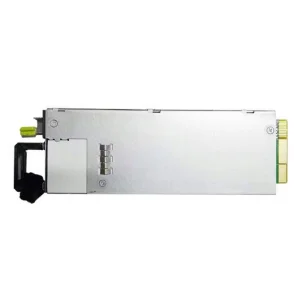
Deploying high-efficiency hot-swappable power modules (like the HVDC1500wb) in environments prone to voltage fluctuations prevents server downtime and safeguards operational continuity.
Modern networks are shifting from CPU-bound management models to hardware-accelerated processing. The widespread adoption of PCIe 4.0 and 5.0 buses allows network interfaces to communicate directly with system memory and GPU accelerators (GPUDirect RDMA), bypassing CPU bottlenecks.
In parallel, the rise of open-source artificial intelligence models has changed how datacenters structure local storage. RAID arrays must now handle massive parallel streaming read operations for model weights. Thermal control has also become a priority; legacy 1U chassis are being redesigned with high-volume active fan walls, liquid loops, and copper heatsinks to dissipate heat from high-wattage processors.
Additionally, hardware management interfaces are moving from basic IPMI 2.0 commands to robust Redfish API implementations, providing comprehensive out-of-band monitoring of server health, power utilization, and chip temperatures.
How Dynova AI Systems delivers customized configurations to fit specific regional, power, and computing parameters.
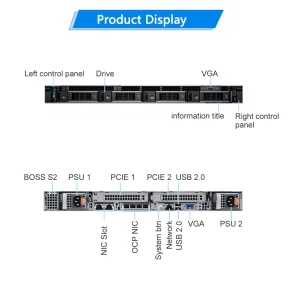
Collaborating with our 142 R&D engineers to map out server dimension layouts (1U/2U/4U), select processor architectures, compute units, memory limits, and specify expansion ports (PCIe slots, storage arrays).
Developing custom BIOS, optimizing BMC firmware for out-of-band network management, and preparing CAD models for customized structural chassis fabrication.
Subjecting the assembled engineering units to functional testing, extended burn-in cycles in our environmental rooms, thermal stress testing, and hardware compatibility validation.
Technical guidance on hardware selection, configuration options, and infrastructure deployment.
The 9560-16i PCIe Gen 4.0 Tri-Mode storage controller provides 8GB of high-speed cache and a wide x8 host interface. It manages NVMe, SAS, and SATA drives over a single connection, allowing enterprise systems to scale disk arrays while maintaining low latency and high IOPS for intensive database applications.
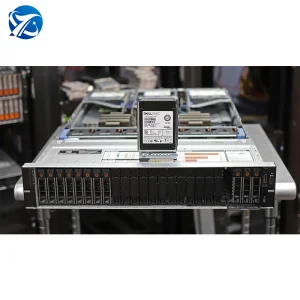
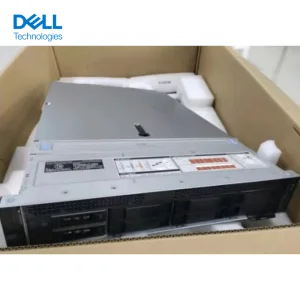
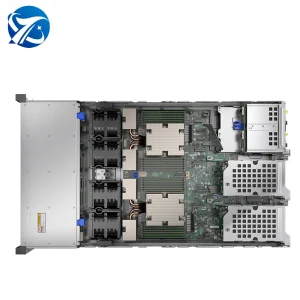
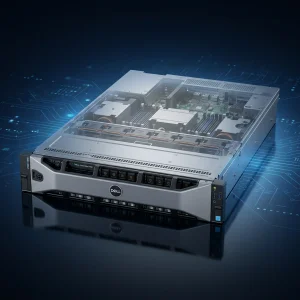
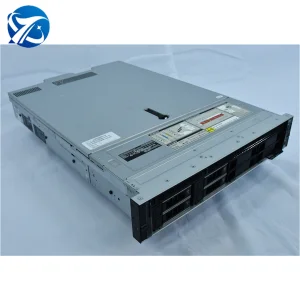
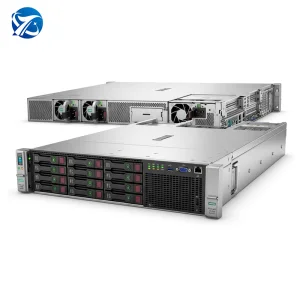
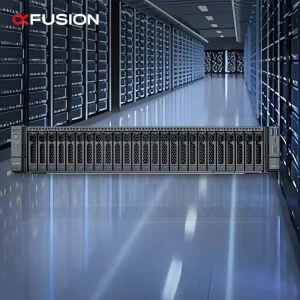
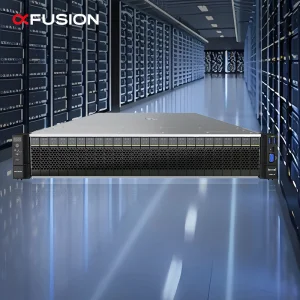
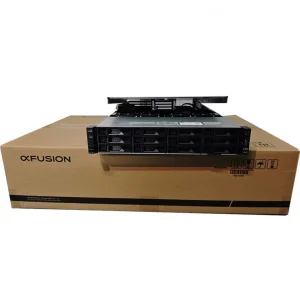
Platforms like the Dell PowerEdge R760/R760xs and xFusion 2288H V7 feature dual-socket Intel Xeon Scalable processors, support for multiple enterprise PCIe GPUs, and ample DDR5 memory configurations. These resources are essential for memory-intensive workloads like training and running large language models locally.
The HVDC1500wb High-Voltage Direct Current module operates at up to 96% energy efficiency, lowering cooling requirements and power loss. It features built-in surge protection, active load sharing, and support for hot-swapping to ensure continuous server operations during maintenance.
Yes. As a direct OEM/ODM service provider, Dynova customizes the physical appearance of the chassis, silkscreens client branding, and pre-installs custom BIOS/BMC splash screens. This allows system integrators to deliver cohesive, branded solutions to their end users.
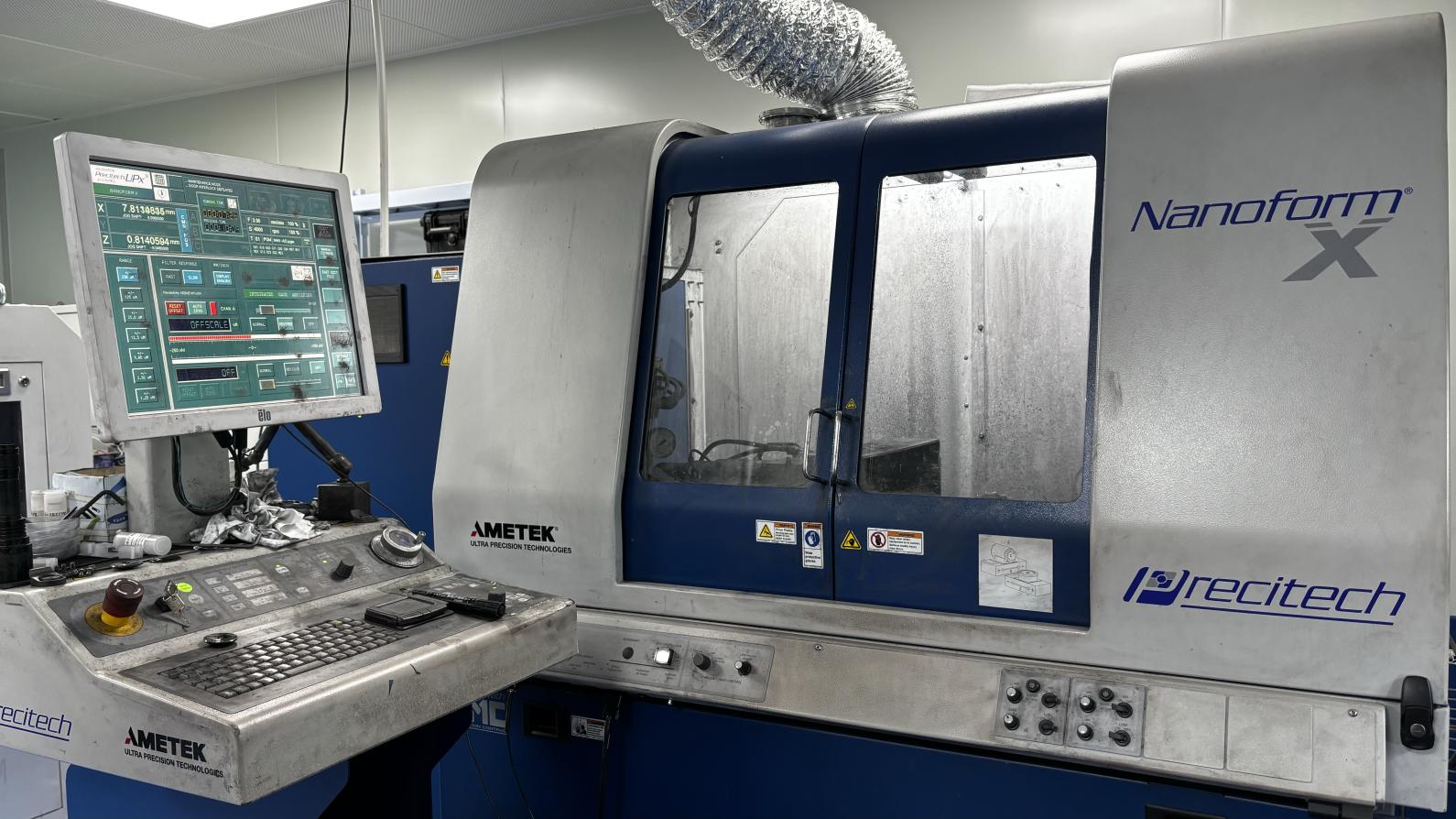
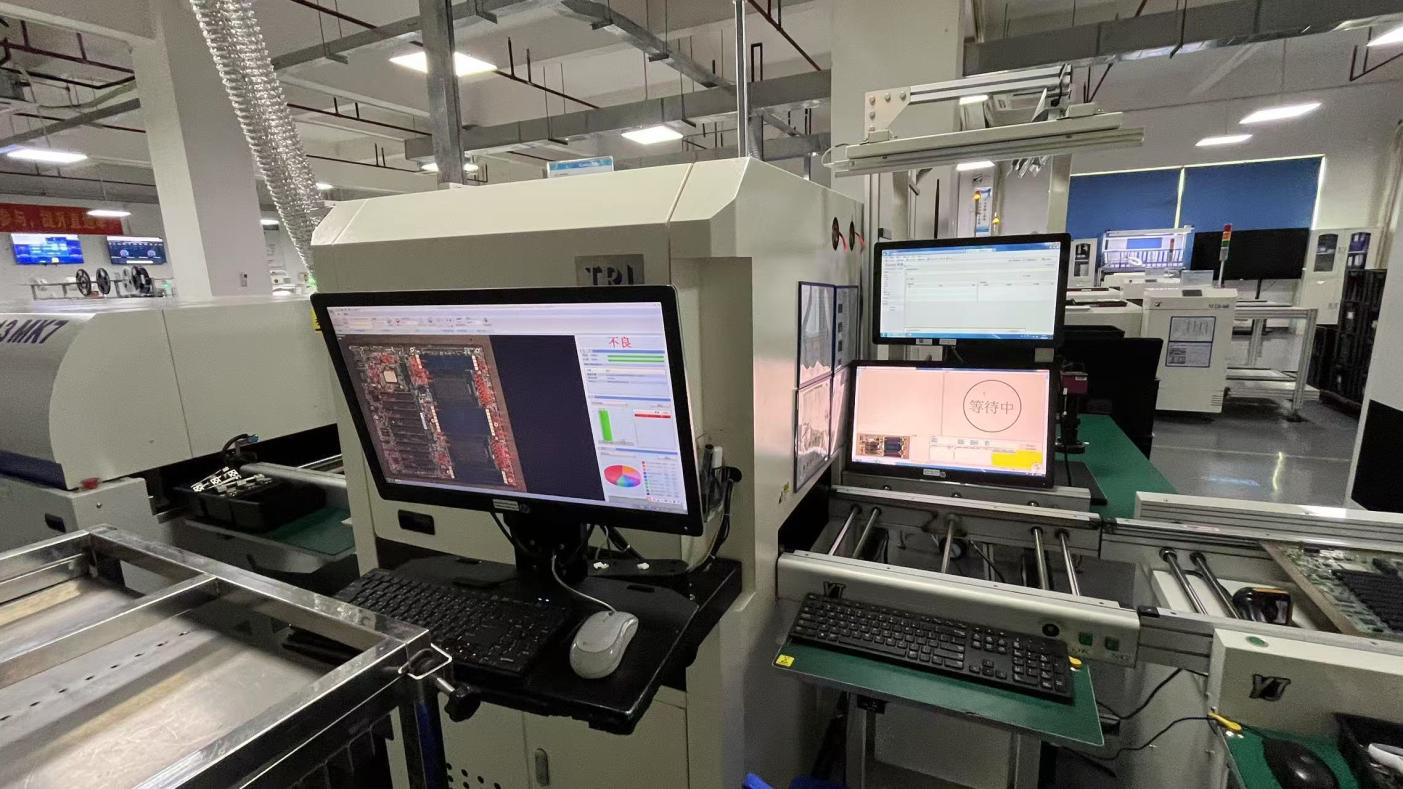
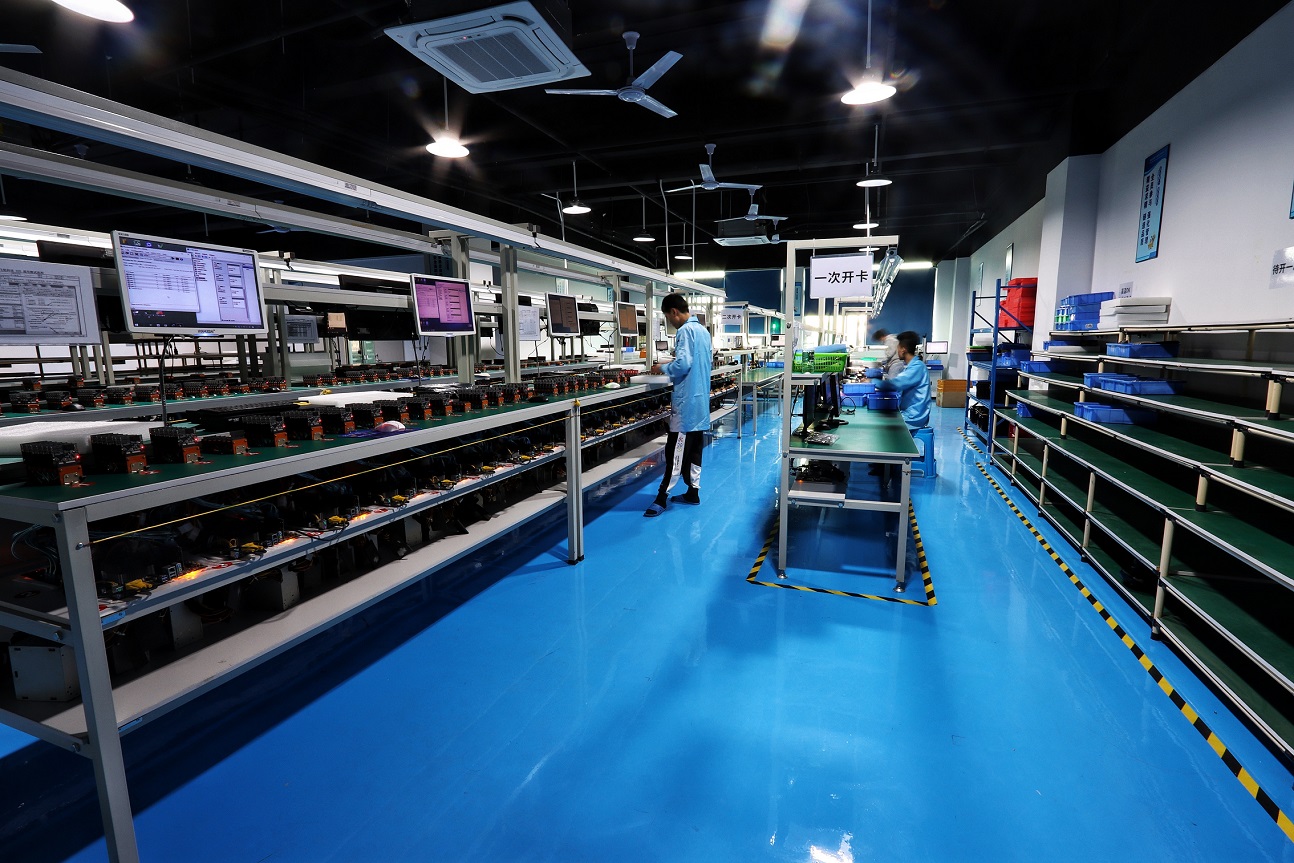
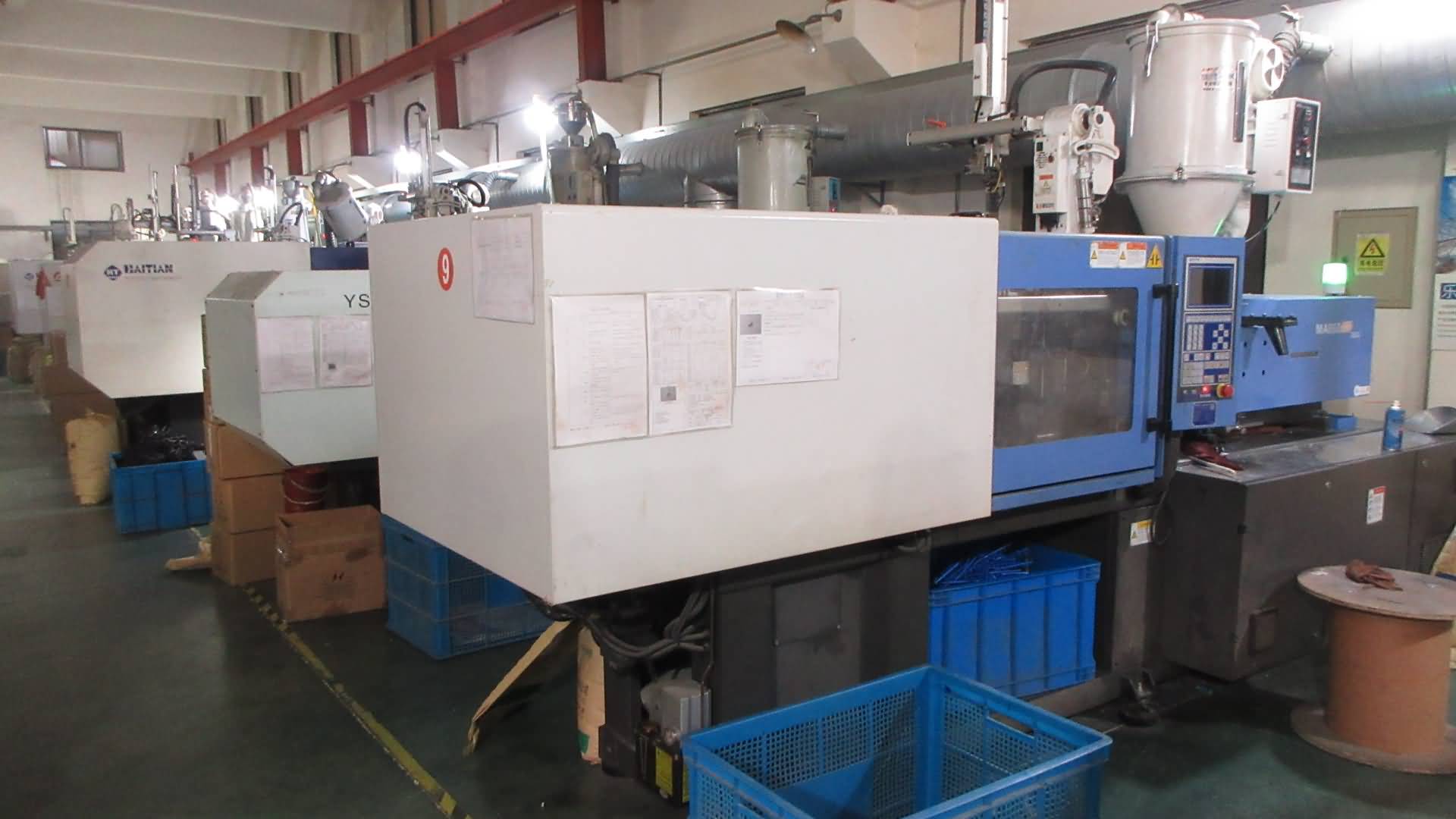
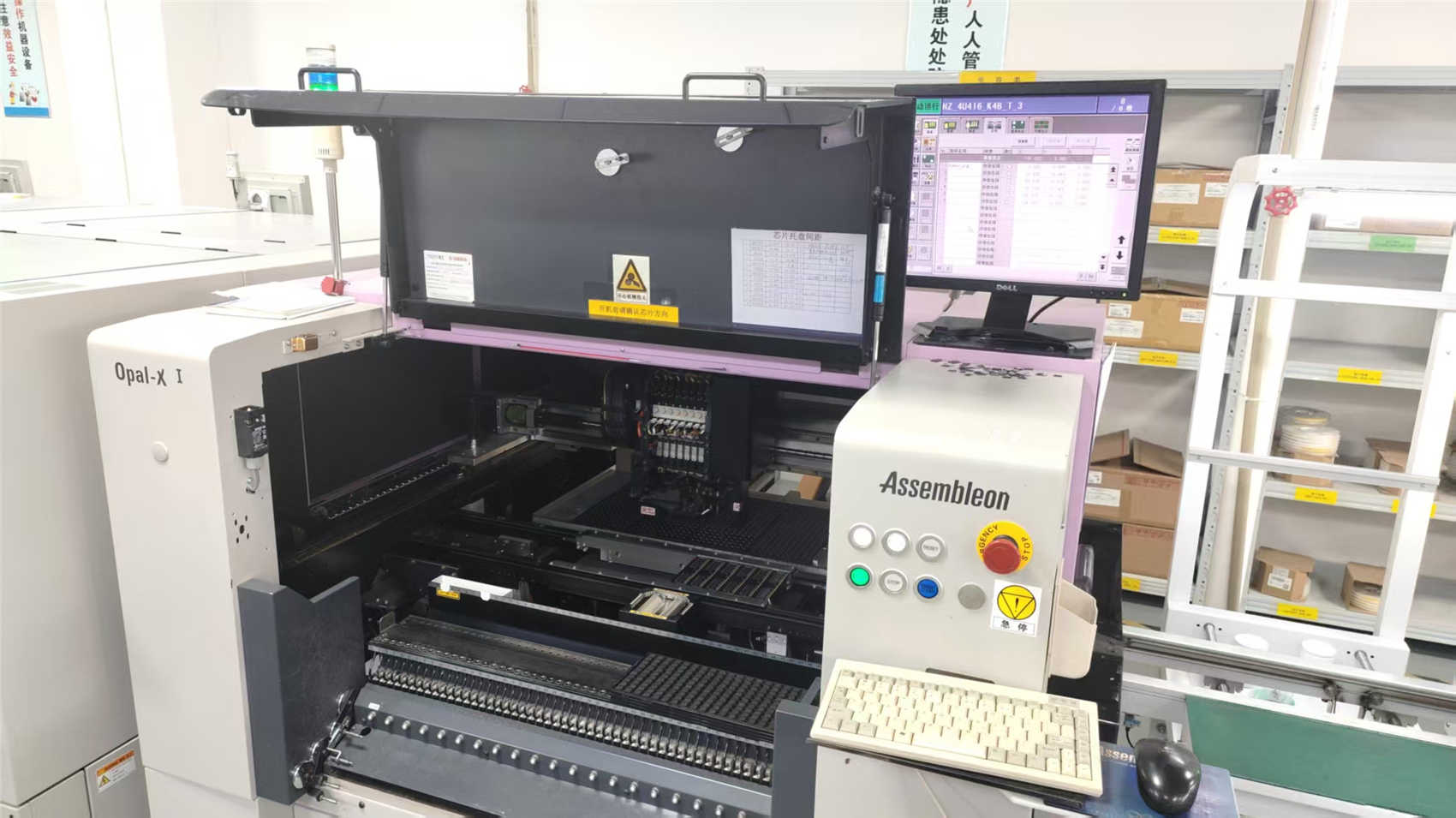
A visual insight into our 23,800 m² advanced assembly lines, testing chambers, and component warehouses.
Complete your hardware infrastructure with our high-throughput RAID controller cards, optical switches, and redundant rackmount servers.